

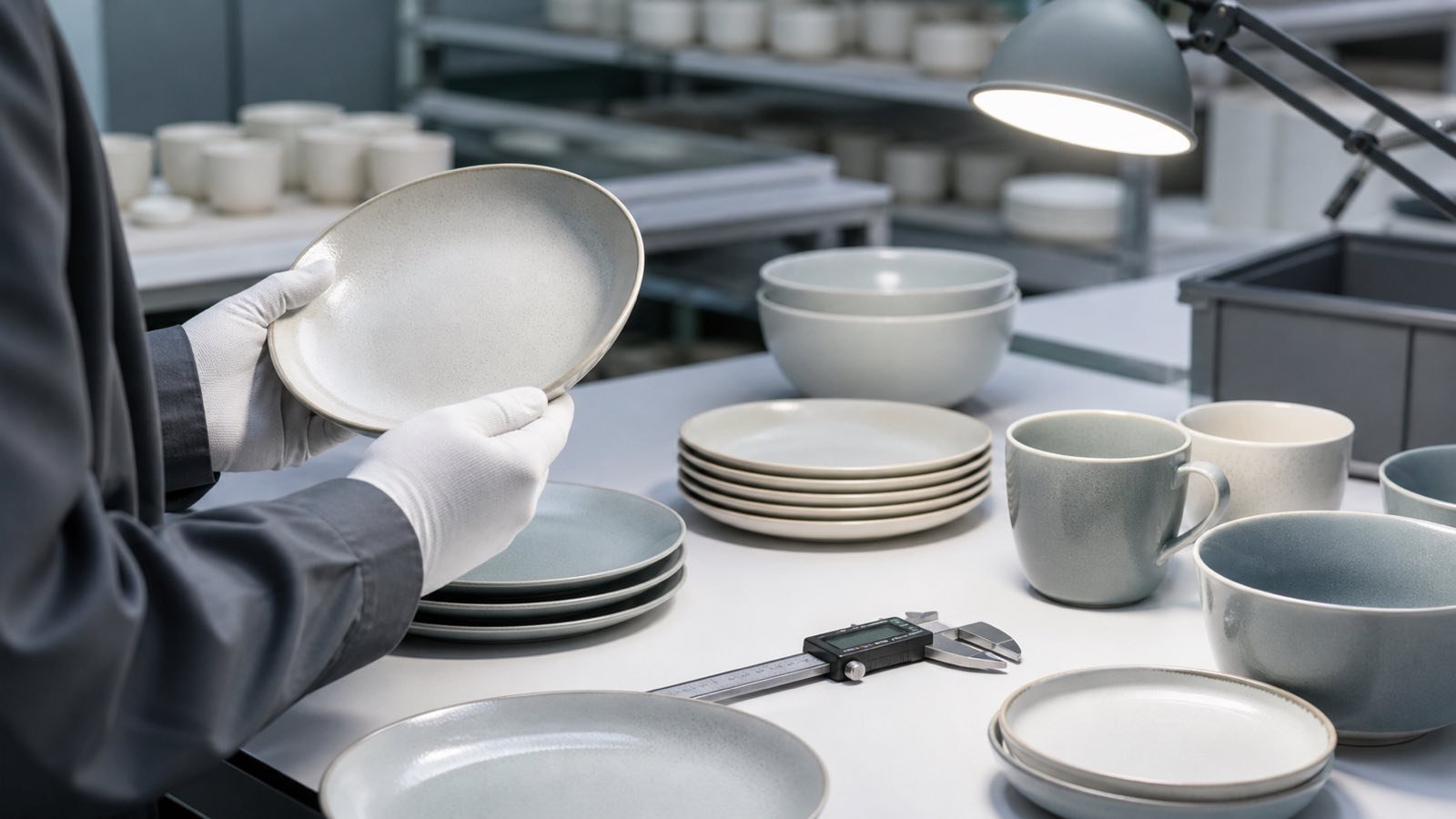
Quality cannot be judged from one polished photograph. Buyers evaluating high quality ceramic tableware need repeatable checks that connect appearance to dimensions, function, decoration, safety evidence, and packing. The following seven checks help importers, wholesalers, and distributors compare samples and define an inspection standard before committing to a commercial order.
1 Confirm Product Identity Material and Specification
Start by proving that the sample and quotation describe the same item. Record the supplier item code, ceramic body, shape, nominal size, actual measurements, weight, glaze, decoration, packing, and intended market. Product names such as porcelain or stoneware are useful categories, but the approved physical sample and measurable specification should control the order.
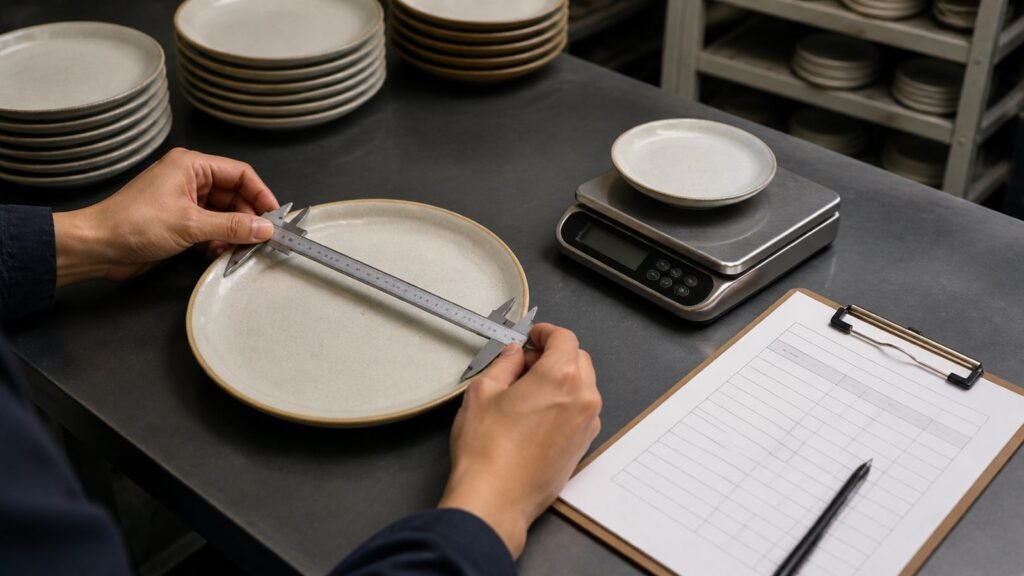
Measure maximum length and width, height, rim or opening diameter, base diameter, usable well, capacity where relevant, and piece weight. Agree on the measuring method and reasonable tolerance. Check several pieces because one sample cannot show normal production variation or current stock consistency.
Label retained samples and photograph top, bottom, profile, decoration, and foot. Link the record to the quotation revision. For ready stock ceramic tableware, confirm current quantities and whether all cartons carry the same item and finish before treating the selection as one lot.
A high-quality decision is always fit for purpose. A lightweight retail plate, heavy casual dining bowl, and refined cup can each be suitable for different channels. Define the customer, price position, use environment, cleaning method, expected replacement pattern, and destination requirements before rating the product.
2 Inspect Shape Stability Rim and Foot
Place plates and bowls on a verified flat surface and check for rocking. Rotate each piece and observe whether the rim rises or falls visibly. Minor ceramic variation may be acceptable within an agreed range, but instability that affects service or display should be classified clearly.
Run a protected finger lightly around the rim and foot to identify sharp points, chips, rough grinding, or uneven finishing. Inspect handles at their attachments and check comfortable space. Fill cups, mugs, jugs, and bowls to a realistic level, then lift and pour as intended. Balance changes when a vessel contains liquid.
Compare profiles in a short stack. Look for leaning, excessive variation, rim-to-glaze contact, difficult separation, or stress concentrated on small points. Stack height matters for retail cartons, hospitality shelves, racks, and freight density. Test the exact number commonly handled rather than only two pieces.
Use strong side lighting to reveal shape differences, but do not rely on visual judgment alone. A gauge, flat reference surface, scale, and written tolerance produce more consistent decisions among buyers, suppliers, and inspectors.
3 Examine Ceramic Glaze and Surface Consistency
Inspect under stable neutral lighting. Compare gloss, color, coverage, texture, and transitions around rims, handles, relief, feet, and recessed areas. Look for cracks, crawling, exposed body where not intended, large pinholes, inclusions, blisters, and glaze runs that affect appearance or function.
Some reactive, speckled, or hand-applied appearances are designed to vary. Quality in these products means controlled variation within an approved visual range, not identical pieces. Approve multiple reference samples or a limit board showing acceptable light, dark, dense, and sparse effects.
Foot treatment deserves attention because unglazed contact surfaces can mark tables or adjacent pieces if rough. Check that finishing is consistent and appropriate to the design. Observe where stacked pieces touch; a rough foot contacting a decorated face can create abrasion during transport and use.
The ceramic glaze types guide explains common appearance and care considerations. Do not infer food-contact compliance, dishwasher suitability, or long-term performance from glaze appearance. Request relevant evidence and run use-specific tests.
| Surface observation | Buyer response |
| Intentional reactive variation | Approve a documented visual range |
| Isolated tiny pinhole | Classify by location size and frequency |
| Sharp glaze point | Treat as a safety or function concern |
| Rough foot | Assess table and stacking contact |
| Color mismatch | Compare under controlled lighting |
| Visible crack line | Isolate and investigate the piece |
4 Check Decoration Color and Alignment
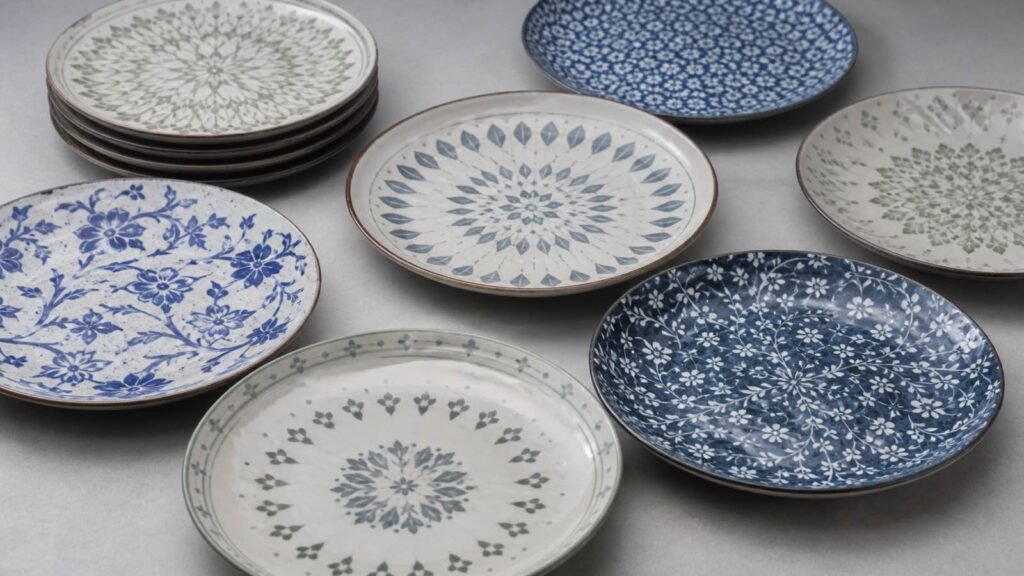
Decoration quality includes position, orientation, scale, color, edge definition, and consistency across the set. Compare the item with approved artwork and samples. On cups, check how a motif sits relative to the handle. On plates, review centering and distance from rim features. On sets, verify that the design language aligns across shapes.
Inspect fine lines and boundaries at normal viewing distance and close range. Identify missing areas, unintended overlaps, smudging, color shifts, visible joins, or distortion across curved surfaces. Define tolerances before the order rather than deciding from isolated production pieces later.
Metallic and specialized finishes can have use restrictions. Confirm care instructions and suitability for the buyer’s intended microwave, dishwasher, or hospitality environment with product-specific evidence. Do not assume all decorated ceramics behave like plain glazed ware.
Color assessment should use consistent light and, where necessary, approved physical references. Screens, cameras, and surrounding colors can change perception. Record whether the requirement is an exact controlled color, a commercial match, or an intentionally varied finish.
5 Test Functional Fit and Everyday Use
Evaluate each item in its actual system. Cups need stable saucers and comfortable handles. Lids need secure seating and safe removal. Plates must fit racks, shelves, gift boxes, and serving areas. Bowls should contain the intended portion without awkwardly high filling. Sets need proportions that make sense together.
Run simple use trials with representative food or liquid. Check filled balance, pouring, utensil access, cutlery contact, heat handling, water pooling, and cleaning. Observe whether broad rims reduce usable area or whether deep profiles make food difficult to reach. These details influence customer satisfaction even when a product looks attractive.
Test stack release with clean, dry and normally handled pieces. Confirm the specified number fits the intended shelf or carton. For hospitality buyers, check actual dishwashing racks and service trays. For retailers, assemble the final pack and assess presentation, movement, and customer handling.
Functional testing should match risk and claims. If the product will be marketed for a particular appliance or demanding use, obtain appropriate evidence and validation. Avoid making a broad claim from one informal test.
6 Verify Safety Evidence and Inspection Criteria
Legal and customer requirements depend on the destination, material, decoration, use, and sales channel. Buyers should identify current food-contact, labeling, traceability, packaging, and testing obligations with qualified advisers. Ask for reports or declarations tied to the exact products and relevant markets, and verify scope, dates, laboratories, and model references.
Translate the purchase specification into an inspection plan. Define critical, major, and minor issues in observable language. A sharp edge, crack, unstable base, incorrect item, or failed functional fit may have a different severity from a small approved cosmetic variation. Include measurement methods, sample references, packing checks, and the agreed sampling approach.
Do not use the word quality as the entire standard. Two experienced inspectors can interpret it differently. A specification such as “base must sit stably on the reference surface, with no perceptible rocking under the agreed check” is clearer, although the exact method and tolerance should still be documented.
Inspection timing matters. Review pre-production or current stock samples, then verify the commercial quantity before shipment when appropriate. If a finding leads to sorting, repair, replacement, or acceptance by concession, record the decision and affected quantity.
7 Review Packing Cartons and Shipment Readiness
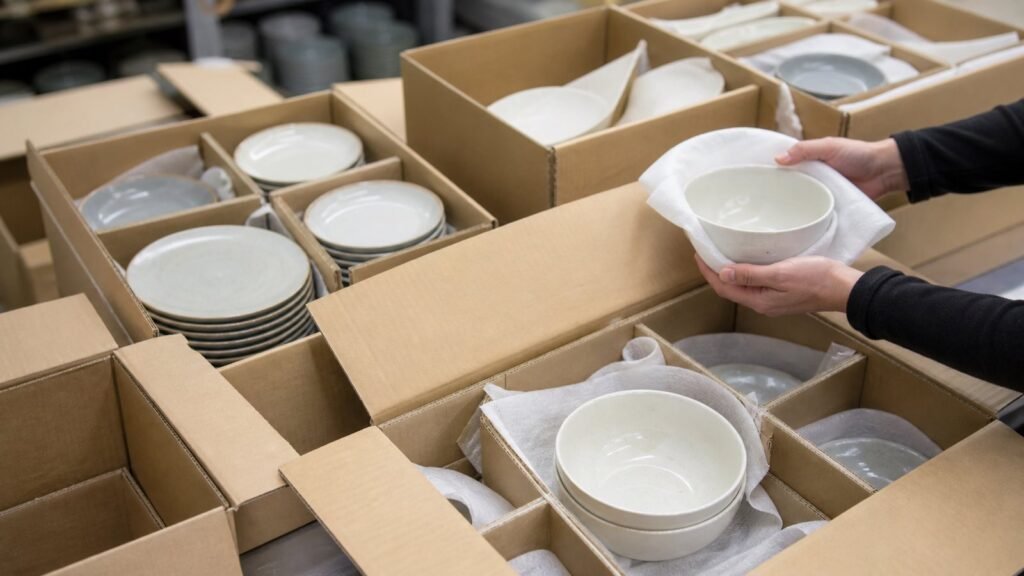
High quality ceramic tableware can arrive damaged if packing is not matched to the shape and route. Inspect inner protection, separators, sleeves, cushioning, handle space, rim contact, carton strength, closure, gross weight, dimensions, labels, and pallet arrangement where used. Assemble and close a real carton.
Check whether pieces move during normal handling and whether concentrated stacks place pressure on rims or handles. The safest pack is not necessarily the one with the most material; it is the one designed around contact points and verified for the distribution environment. Confirm destination packaging rules and customer requirements.
Carton labels should identify item code, description, quantity, and other agreed references. Reconcile pieces per inner pack, inners per carton, total cartons, and order quantity. Mixed designs require especially clear separation and count control.
At receiving, inspect external condition before moving cartons into stock. Photograph significant damage, verify item identity, count a controlled sample, and compare product with the approved record. Track damage and quality findings by item and carton so future packing or sourcing decisions use evidence.
| Final check | Evidence to retain |
| Product identity | Item code and approved sample |
| Measurements | Method results and tolerances |
| Appearance | Reference range and photographs |
| Function | Fit and use trial record |
| Compliance | Product-specific documents |
| Inspection | Criteria results and decisions |
| Packing | Pack specification and carton count |
Conclusion
High quality ceramic tableware is identified through evidence, not one visual impression. Verify identity, construction, glaze, decoration, function, applicable documentation, and shipment packing with measurable criteria and representative samples. These seven checks create a practical common language for buyers, suppliers, and inspectors. Review current options or request current samples and a quotation with your specifications, quantity, market, and timing.
FAQ
There is no universal number for every order. Review multiple representative samples during selection, then choose an inspection approach based on quantity, risk, product complexity, experience, and customer requirements. Define sampling and acceptance before shipment with a qualified inspection provider where needed. One ideal sample is not enough to describe normal variation across a commercial quantity.
Their significance depends on size, depth, location, frequency, product style, safety, and the agreed acceptance standard. A tiny isolated surface mark and a cluster in a food-contact area should not automatically receive the same classification. Buyers should approve clear visual limits and consult applicable requirements rather than using an undefined zero-tolerance statement.
Keep item specifications, labeled samples, photographs, measurements, approved variation ranges, artwork, relevant compliance evidence, packing details, inspection criteria, reports, and written decisions. Link every record to item and quotation or order revisions. This traceability helps receiving teams confirm identity and allows future orders to be compared with the originally approved product.