

A lower unit price is useful only when the order still works for your business. Negotiating wholesale ceramic tableware requires a clear view of quantities, packaging, availability, and the responsibilities included in a quote. This guide shows importers and distributors how to prepare a comparable inquiry, identify workable tradeoffs, and document an agreement without relying on unsupported discount expectations or sacrificing the assortment they actually need.
Establish a Comparable Wholesale Ceramic Tableware Quote
Start with a specification sheet rather than a request for the lowest price. Identify each item by supplier code and photograph, then record material, dimensions, color, decoration, quantity, and packing preference. A dinner plate and a similarly photographed serving plate may have different dimensions and carton requirements. A useful quote makes those distinctions visible before anyone discusses a concession.
Ask the supplier to state currency, price unit, carton quantity, minimum purchasing quantity, quote validity, and availability status. Clarify whether the price is per piece, per set, or per carton. For sets, list every component and the number of each component. Comparing a six-piece set price with six individual pieces is meaningful only when the contents and packaging match.
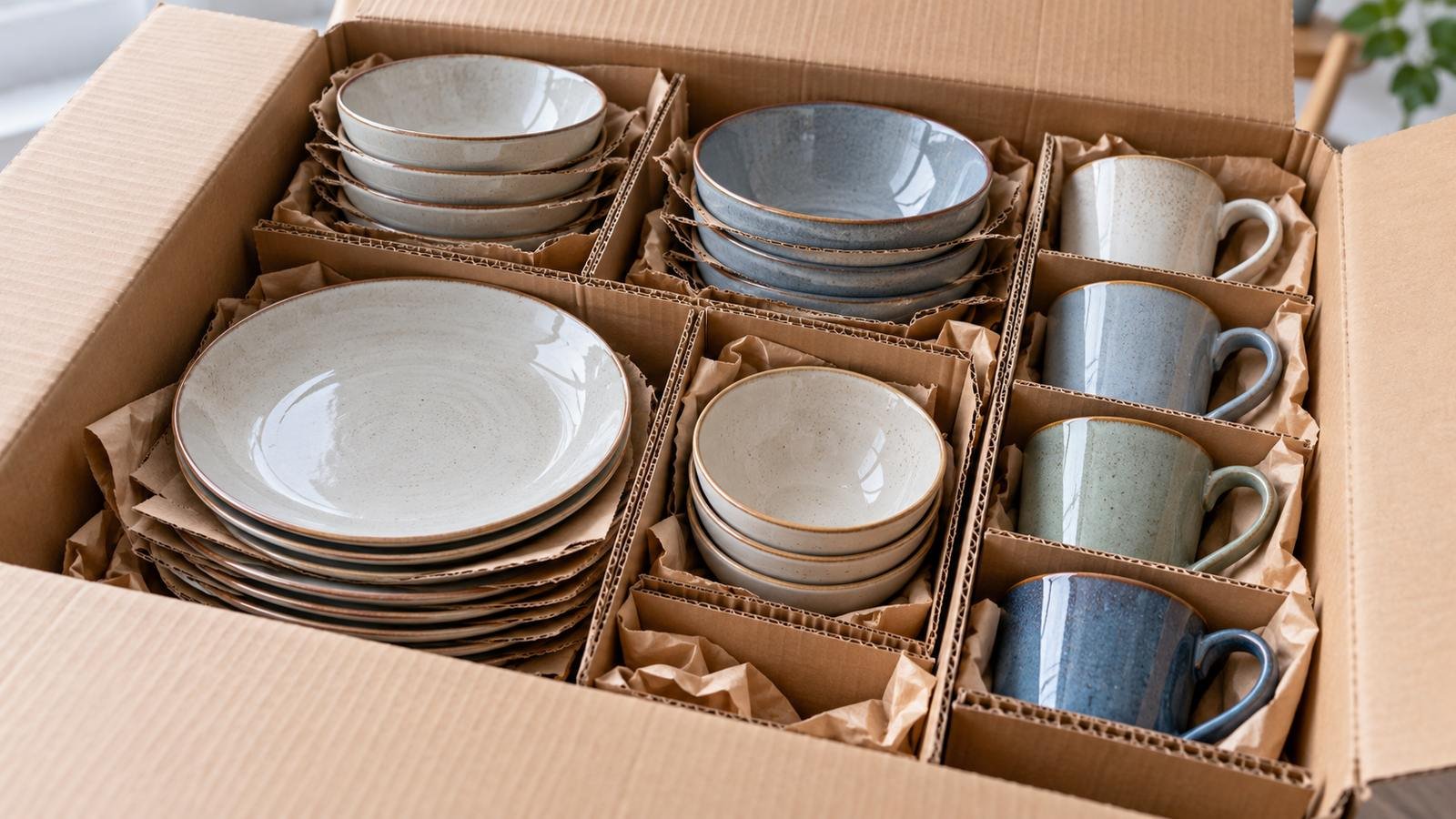
For wholesale ceramic tableware, separate the product price from services such as special labels, sample dispatch, additional protective packing, and transport arrangements. Request a written scope for each quoted delivery basis. Avoid assuming that two similar abbreviations mean that all charges and responsibilities are identical; have the supplier and your logistics provider describe what is included in plain language.

Use the same inquiry format for all candidates. When one quote includes individual boxes and another includes bulk packing, retain both offers but identify the difference. Do not average unlike prices into a benchmark. A comparison sheet should distinguish a known cost, an estimate, and an unresolved charge, so your negotiating position rests on a complete offer rather than an attractive headline number.
Build a Quantity Proposal the Supplier Can Evaluate
Quantity changes are useful negotiation inputs when they reflect demand you can support. For wholesale ceramic tableware, prepare a preferred order and one realistic alternative before requesting revised prices. State which quantities are firm and which are conditional. A supplier can then evaluate a coherent purchasing plan rather than several unrelated requests for discounts.
For illustration, suppose your plan contains 240 plates and 120 bowls. If the confirmed packing is 24 plates and 12 bowls per carton, those quantities require ten cartons of each item. Increasing the bowl order by one carton adds 12 pieces, not an arbitrary ten. These are planning assumptions, not Chengguo packing specifications. Replace them with the actual pack counts before using the calculation in an inquiry.
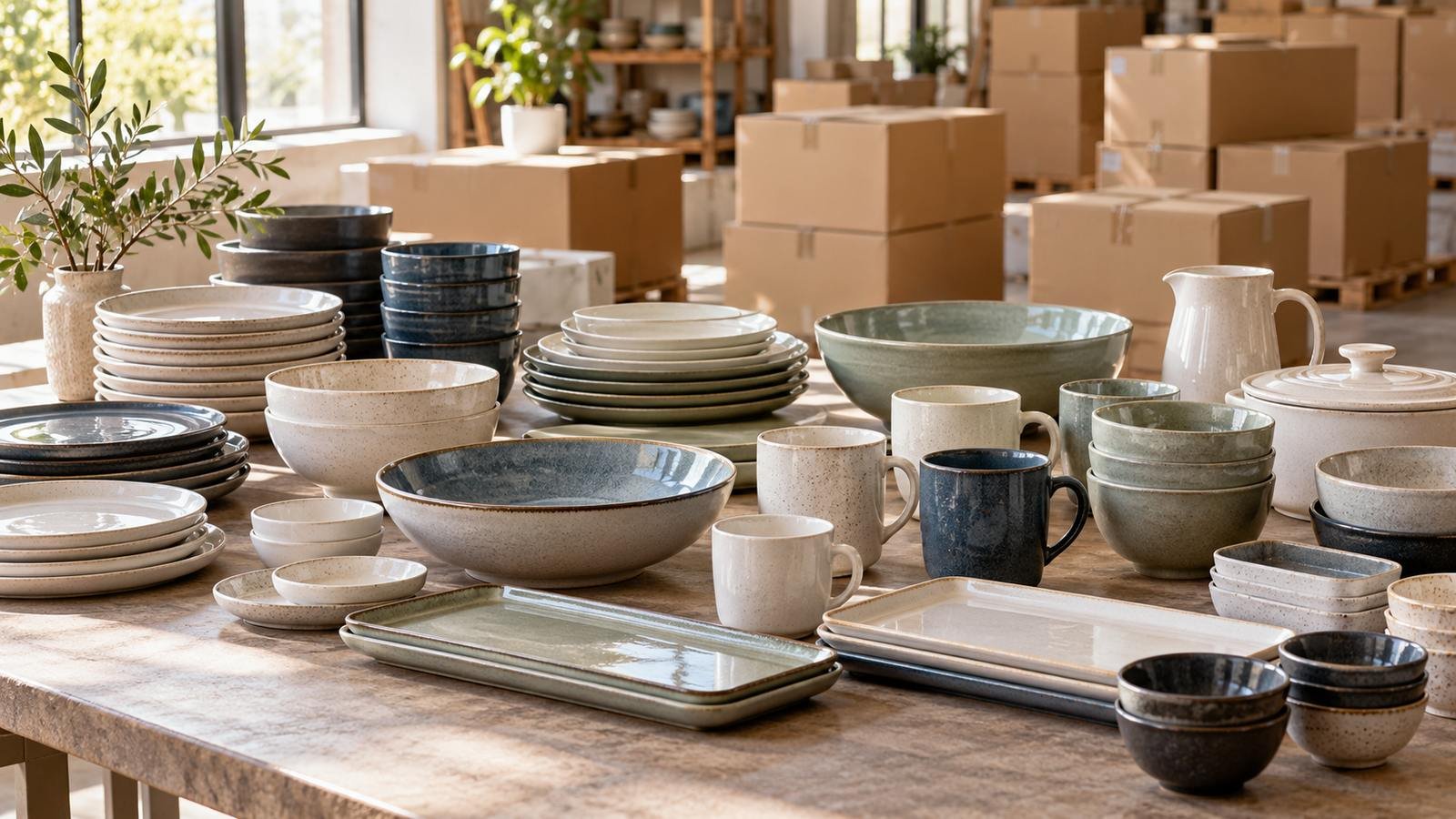
Review the wholesale ceramic tableware selection to develop an assortment around specific shapes and uses. Related products can sometimes form a practical combined order, but do not assume that every design can share a carton or that a mixed order automatically receives a lower price. Ask which items can be combined at order level and which retain separate minimum quantities.
Present meaningful alternatives
A revised wholesale ceramic tableware proposal should show what you can change and why it helps. You might accept standard packing, consolidate the number of designs, adjust an order to full cartons, or agree to a collection window supported by your freight plan. Each option needs a price and operational response from the supplier; none should be treated as a guaranteed saving.
Use a short comparison table to keep alternatives distinct:
| Proposal | Buyer change | Information to confirm |
| Preferred assortment | Original quantities and designs | Availability and current quotation |
| Carton aligned order | Quantities adjusted to full cartons | Revised totals and added inventory |
| Standard packing | Existing packing specification accepted | Protection and labeling suitability |
| Consolidated assortment | Fewer designs with greater depth | Demand fit and item level pricing |
Evaluate additional inventory against expected sales rather than the discount alone. An extra carton can make a purchasing schedule easier while tying up cash and shelf space. Calculate how many pieces the business will own after the change, and identify who will approve the added quantity. For wholesale ceramic tableware, a disciplined quantity proposal gives both parties a practical route to agreement without turning negotiation into speculative purchasing.
Negotiate Total Order Value and Commercial Terms
Once the specification and quantity are stable, assess the complete financial commitment. The useful question is what you will pay for a defined order under defined conditions. A price reduction that is offset by new packing charges or a larger deposit may not improve the deal for your operation. Keep each change visible in the comparison sheet.
Build a worksheet with separate rows for goods, confirmed packing services, transport quotations, insurance where arranged, and other charges identified by your logistics provider. Label estimates clearly. Import charges and tax treatment depend on destination and classification, so have an appropriate broker verify those inputs before committing. Do not use an unverified percentage copied from another market as the basis of your negotiation.
With wholesale ceramic tableware, commercial terms may matter as much as the unit price. Discuss the payment schedule, the event that starts preparation, the stock reservation conditions, and the evidence needed before the remaining payment. Avoid interpreting a familiar payment phrase as a complete agreement. Record the sequence of events and the documents or confirmations attached to each step.

Consider a hypothetical quote of 360 pieces at 2.00 currency units each. The goods amount is 720 currency units. A reduction to 1.95 produces a saving of 18 currency units, provided quantity and scope stay identical. If the revised arrangement introduces 25 currency units of additional packing, the combined goods and packing cost increases by seven. This example illustrates arithmetic, not market pricing or an available offer.
Use conditional language when requesting an adjustment: state the confirmed quantity, the packing accepted, and the commercial condition you can meet. Ask for a complete revised quotation rather than accepting a discount in an informal message. For wholesale ceramic tableware, keep your internal purchase approval based on the revised total, including any changes to services or payment timing.
Negotiate uncertainties before small concessions. An unresolved quantity, reservation expiry, or loading responsibility can create more disruption than a modest difference in piece price. If a supplier cannot confirm a detail immediately, identify the owner and response deadline. Keep the quote pending until the information needed for your approval is available.
Confirm the Wholesale Ceramic Tableware Agreement in Writing
The final quotation should function as an order reference. Match it against the agreed item codes, photographs, dimensions, quantities, packing, prices, payment sequence, and availability. When a design is substituted during negotiation, give it a separate code or reference and request fresh confirmation. A similar appearance does not make the replacement commercially identical.
Check the ready stock dinnerware options against the final assortment rather than treating a general catalog as proof of reserved quantity. Ready stock can support a practical purchasing schedule, but an availability message and a reservation agreement serve different purposes. Ask what action secures the goods, how long the arrangement lasts, and what confirmation you will receive.
For wholesale ceramic tableware, record the following before purchase approval:
- The final quote version and its validity date.
- The exact item and packing references accepted by the buyer.
- The agreed quantities and the handling of any permitted changes.
- The reservation trigger, expiry, and confirmation method.
- The payment stages and supporting documents.
- The preparation milestone and logistics coordination contact.
Keep negotiation history separate from the final order sheet. A long message chain can contain superseded figures that confuse warehouse or purchasing staff. Ask both sides to reference one approved version and mark earlier quotations as replaced. If a term remains unresolved, name it explicitly instead of leaving a blank that might be read as acceptance.
After approval, monitor changes through the same process. A quantity amendment should show the new goods total, carton count, reservation status, and any effect on preparation. For wholesale ceramic tableware, a documented agreement reduces avoidable backtracking and gives the importer a reliable record for receiving checks and future inquiries.
Conclusion
Negotiating wholesale ceramic tableware starts with comparable specifications and a quantity plan grounded in demand. Evaluate packing, payment timing, and reservation conditions alongside the goods price. Use clearly labeled calculations and obtain one final written quotation that captures every accepted change. Contact Chengguo with your item list, destination, and required quantities to discuss current ready stock availability and a quotation.
FAQ
Provide item codes, quantities, packing requirements, and a realistic purchasing schedule first. Then ask the supplier to evaluate specific alternatives, such as full carton quantities or standard packing. Compare the complete revised offer with the original, including added services and payment conditions. A useful request shows what you can commit to; it does not assume that any quantity increase will automatically earn a discount.
Confirm the requested assortment and available quantities before treating a quotation as actionable. You can discuss indicative pricing earlier, but the final offer should identify the goods that can actually be supplied. For wholesale ceramic tableware, also ask whether the quantity is simply available at the time of inquiry or has been reserved under agreed conditions. Those answers affect your approval and payment schedule.
The lowest goods price may come with a different packing specification, quantity requirement, or payment schedule. Compare identical item references and include the confirmed services you need. Have your logistics provider identify transport and destination charges separately, then distinguish estimates from firm amounts. Choose wholesale ceramic tableware on the basis of the complete order and its fit with your sales plan, rather than one isolated unit price.