

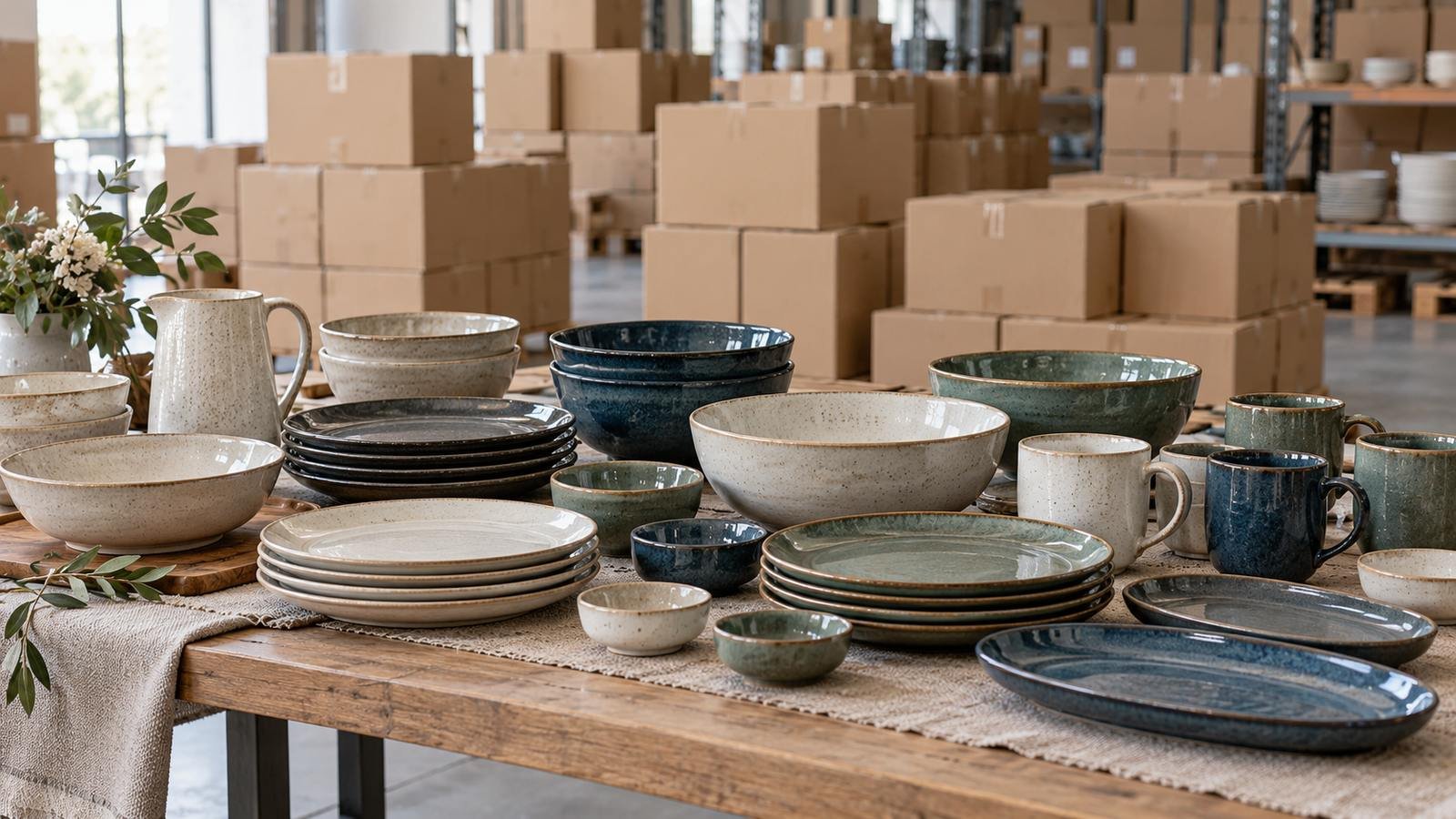
An availability message is easy to misunderstand when several items are needed for one order. Ceramic tableware stock reservation should establish which goods are held, what action secures them, and when the arrangement expires. This guide gives wholesale buyers a practical sequence of questions before payment, helping purchasing, finance, and logistics teams work from the same confirmed quantities instead of an earlier catalog or informal conversation.
Distinguish Availability from Ceramic Tableware Stock Reservation
An availability check describes what a supplier can currently offer. A reservation describes an arrangement to hold specified goods under stated conditions. The two may happen close together, but they are not interchangeable. Ask the supplier to identify the status in writing: available for inquiry, provisionally held, or reserved under the agreed purchasing arrangement.
For ceramic tableware stock reservation, record the date and time of the confirmation together with the exact product references. A stock message can become outdated while your team evaluates samples or obtains approval. Ask when the quantity was checked and whether it remains available for your order before using the information to approve a payment.
The ready stock ceramic tableware selection helps you identify candidates, but a product listing does not establish a hold. Send the item codes, colors, dimensions, and proposed quantities in a structured list. When the supplier responds, request an item-by-item confirmation rather than a broad statement that the assortment is available.
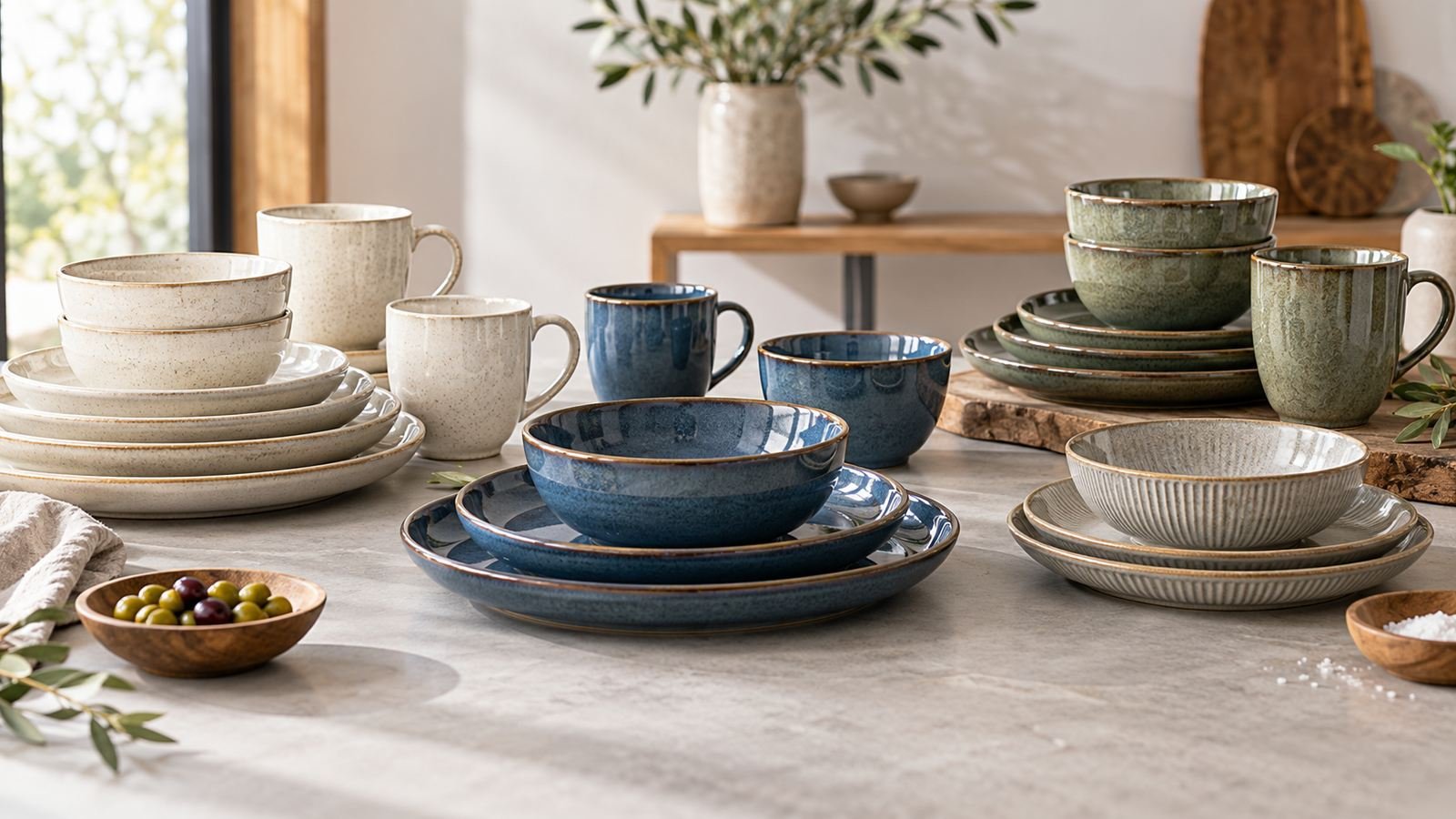
A ceramic tableware stock reservation discussion should also clarify who can confirm the arrangement. Your purchasing team needs a supplier contact who can verify the order record and communicate any change. Internally, designate one person to approve amendments so conflicting requests do not circulate from sales, finance, and logistics.
Avoid assigning a meaning to a status word without asking for the operational detail behind it. A provisional hold might have an expiry, require a payment event, or depend on further confirmation. Capture those conditions in the order record. The goal is a clear shared understanding, not a particular label that each party interprets differently.
Specify Exactly Which Ceramic Tableware Quantities Are Held
Build the reservation record around identifiable goods. Each row should contain the supplier item code, a photograph or reference link, material description, dimensions, color or decoration, unit of sale, requested quantity, and confirmed quantity. When cups and saucers are separate items, give each a row. When a dinnerware set is one selling unit, document every included component.
Ceramic tableware stock reservation becomes less reliable when quantities switch between pieces, sets, and cartons without explanation. Confirm the pack count and use it to reconcile the figures. If a hypothetical plate is packed 24 pieces per carton, a requested quantity of 240 pieces corresponds to ten cartons. This example illustrates reconciliation only; the actual item packing must come from the supplier.
Ask how the record handles a partial quantity. If you request 240 pieces and the supplier confirms 216, the remaining 24 are unresolved unless explicitly addressed. Do not interpret a revised quotation as proof that the original amount will later become available. Decide whether you can accept the confirmed quantity, require another design, or remove the item from the proposed order.
Separate substitutions from the original reservation
A replacement needs its own approval. For ceramic tableware stock reservation, identify the replacement reference, photographs, dimensions, quantity, price, and packing before accepting it. A similar color does not establish that a plate shares the original diameter or that a bowl nests with the earlier item.
Use a compact confirmation table:
| Field | Buyer question | Required record |
| Item identity | Which exact reference is held? | Code and approved image |
| Quantity | How many units are included? | Pieces or sets and carton count |
| Status | Is this available or reserved? | Written status and conditions |
| Timing | When does the hold expire? | Date, time, and time zone |
| Change control | How will amendments be approved? | Named contacts and version reference |
Review the table against the current ceramic dinnerware options only as a reference check. The final supplier confirmation is the record that matters for the proposed order. Keep it separate from your broader wish list, which may contain designs that have never been confirmed.
For ceramic tableware stock reservation, a clearly identified quantity record also helps receiving staff later. They can compare delivered item codes and units against the agreed order without reconstructing a message chain. If a row remains conditional, mark it as conditional and prevent it from being treated as approved inventory in your internal system.
Clarify Payment Triggers Reservation Expiry and Preparation
Ask what event starts the reservation. It may be written order acceptance, confirmation of a specified payment, or another agreed step. Obtain the actual arrangement for your order rather than assuming the supplier uses one universal policy. Also ask what evidence you will receive when the relevant event has occurred.
For ceramic tableware stock reservation, distinguish payment initiation from supplier confirmation of receipt. If your team sends a transfer close to an expiry, a payment receipt alone may not establish that the goods remain held. Agree how the supplier will handle this situation before payment. Confirm whether an extension is needed and who must approve it.
Record the expiry as a complete date, local time, and time zone. A message such as “until Friday” can be ambiguous across purchasing teams and countries. For illustration, a record might state an expiry of 17:00 in the supplier’s agreed time zone on a specified date. That example is a documentation format, not a Chengguo reservation duration or commitment.
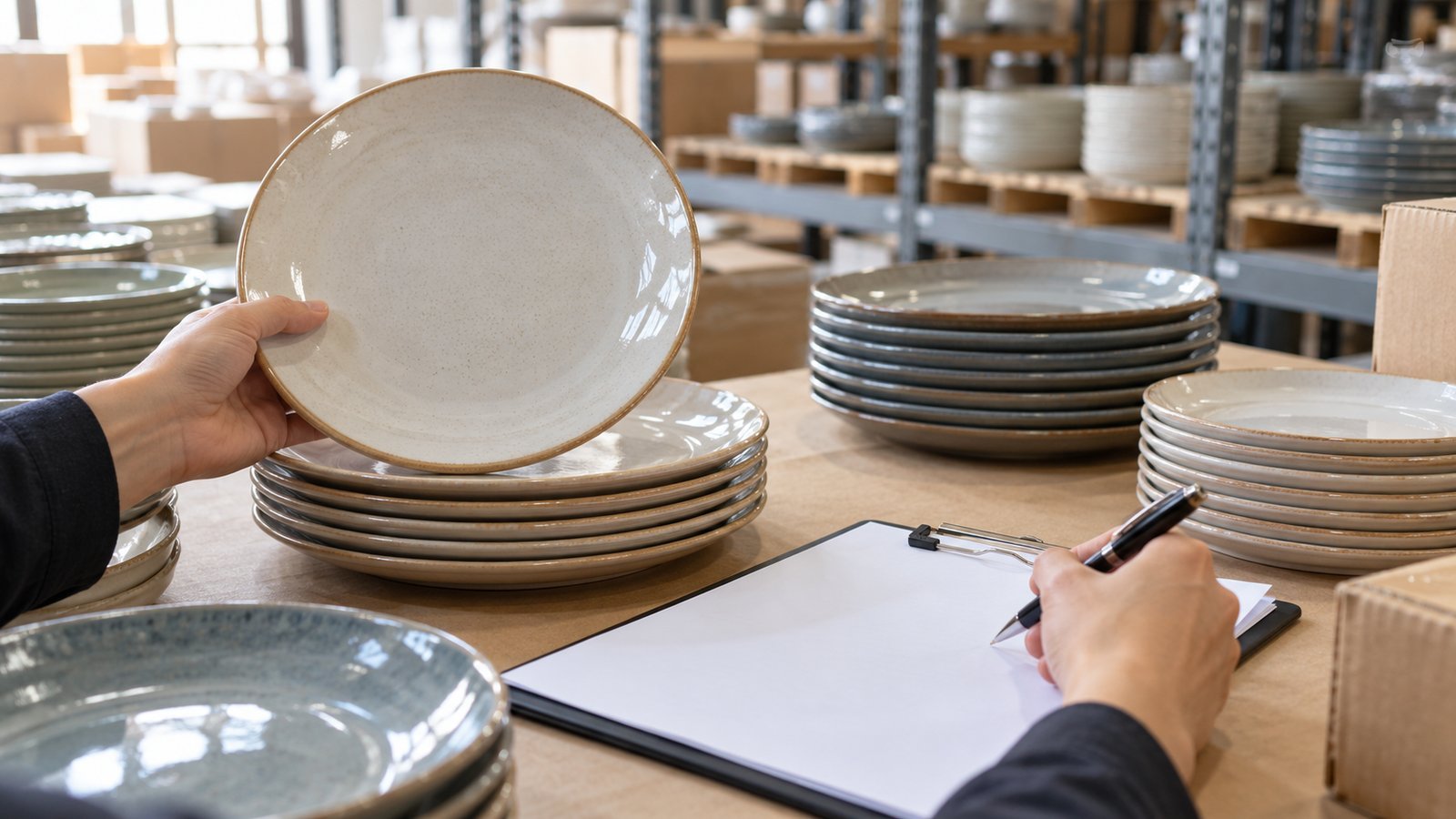
Ask whether preparation begins when the reservation is confirmed or after a separate payment or document approval. The reservation, packing start, readiness for collection, and freight departure are distinct milestones. For ceramic tableware stock reservation, keeping these separate helps your logistics team avoid booking around a date that was only intended as a hold deadline.
Discuss what happens if the reservation expires. Does the supplier need to recheck quantities before reinstating it? Will the quote need reconfirmation? Is the buyer expected to request an extension in advance? Record the answer as part of your order workflow. Do not assume silence automatically extends the arrangement.
Check payment instructions through an established supplier contact and your normal finance controls. If details change during the discussion, resolve the discrepancy before sending funds. The article does not establish a payment policy; it encourages a documented process in which purchasing approval and finance approval refer to the same supplier and order.
Before authorizing payment, use a short checklist:
- The item and quantity record is complete and current.
- The event that secures the goods has been defined.
- The expiry is explicit and workable for the payment process.
- Any extension has written supplier confirmation.
- The preparation milestone is separate from the hold deadline.
- Finance has the final approved order and verified payment instructions.
Ceramic tableware stock reservation works best when those answers are obtained together. A low quotation does not compensate for an unresolved hold, and a complete hold does not replace the need to confirm payment terms. Treat both as required inputs to one purchasing decision.
Maintain One Reservation Record through Order Changes
Once an arrangement is agreed, give it a version or order reference. Store the final item table, reservation conditions, payment sequence, and supplier confirmation together. Earlier availability messages remain useful context but should not compete with the approved record. Your staff should know which document governs the current order.
For ceramic tableware stock reservation, any amendment should trigger an item-level review. If you add a bowl design, ask whether its quantity is available and whether it shares the existing expiry. If you reduce a plate quantity, request a revised goods total and carton count. Do not assume that the original reservation automatically covers every later request.
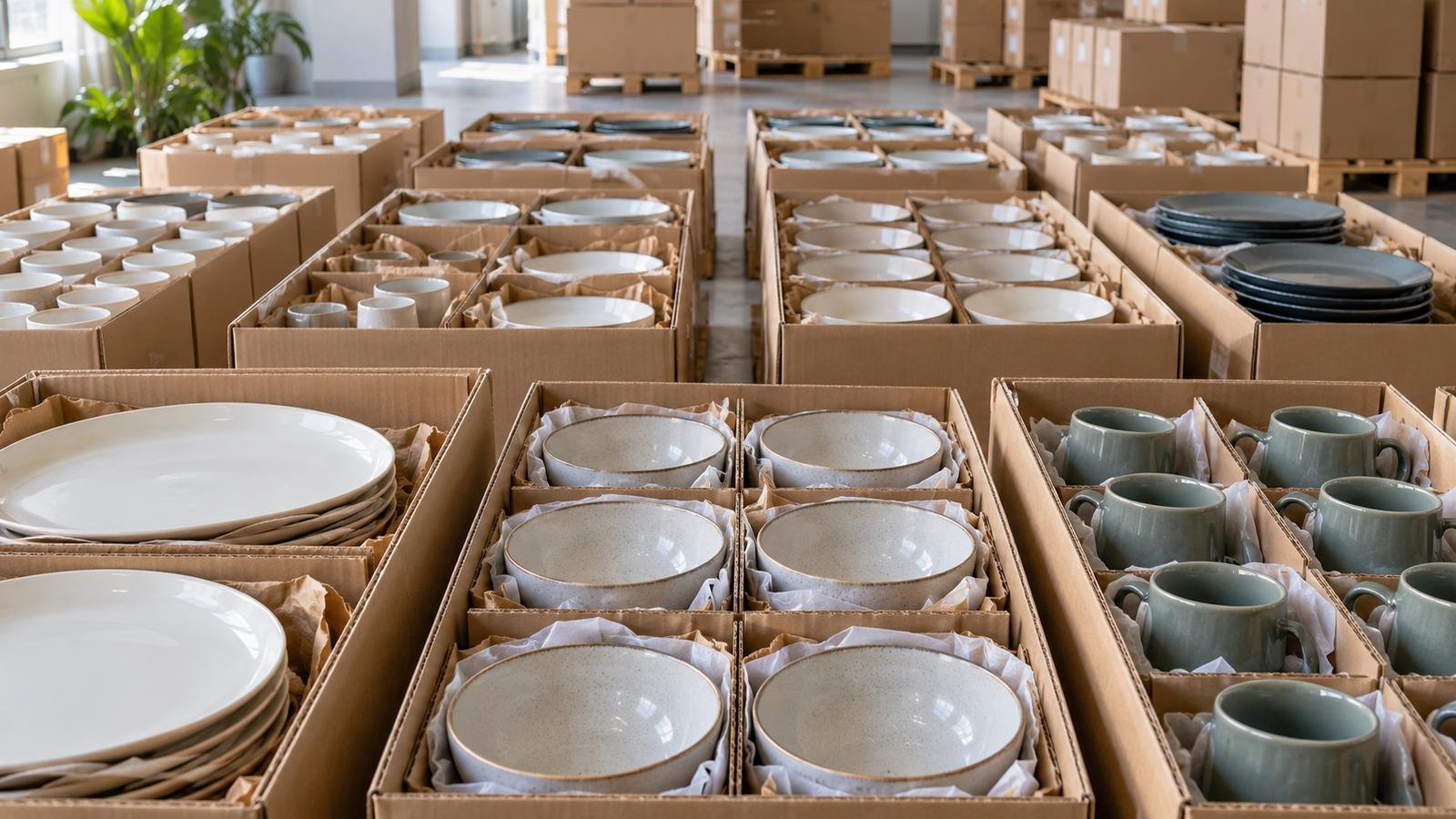
A mixed order can contain items at different stages. Keep a status column for each reference rather than assigning one unexplained label to the entire shipment. Identify what is confirmed, what is awaiting buyer approval, and what still needs supplier verification. That distinction helps your team decide whether to wait, revise the assortment, or proceed with the confirmed goods.
Before logistics booking, reconfirm the preparation status and the packing information needed by your provider. Ceramic tableware stock reservation is an allocation question; shipment readiness also requires agreed packing and the relevant dispatch coordination. Ask for the current milestone rather than predicting a loading date from the day the hold began.
At final review, compare the order reference with the supplier’s latest confirmation. Resolve any differences in quantity, code, price, or component composition. Retain the written record for receiving and future inquiries. A traceable ceramic tableware stock reservation gives everyone a common starting point if questions arise during packing or delivery.
Conclusion
Ceramic tableware stock reservation should identify exact goods, quantities, securing conditions, and expiry. Confirm how payment timing affects the hold and distinguish reservation from shipment preparation. Keep one current record and obtain written approval for amendments. Contact Chengguo with your item references and required quantities to clarify current availability and the applicable order arrangement before payment.
FAQ
Do not assume that a quotation establishes a hold. Ask the supplier whether the stated quantity is merely available or reserved under specific conditions, then obtain those conditions in writing. Ceramic tableware stock reservation should identify the items, units, securing event, and expiry. A quotation can be part of that record, but its price and validity date alone may not explain the status of the goods.
Contact the supplier before the deadline where possible and request written confirmation of any extension. If the expiry has passed, ask for a fresh quantity check and updated reservation status before proceeding. Ceramic tableware stock reservation should not be treated as continuing solely because a transfer was initiated. Follow the agreed payment sequence and make sure purchasing and finance have the supplier’s current confirmation.
Ask the supplier to verify the added design as a separate item, including available quantity, packing, price, and reservation conditions. Confirm whether it follows the original expiry or a different arrangement. Update the complete order version after approval so the new reference does not remain only in a message. Ceramic tableware stock reservation is easier to manage when every accepted amendment appears in one current record.