

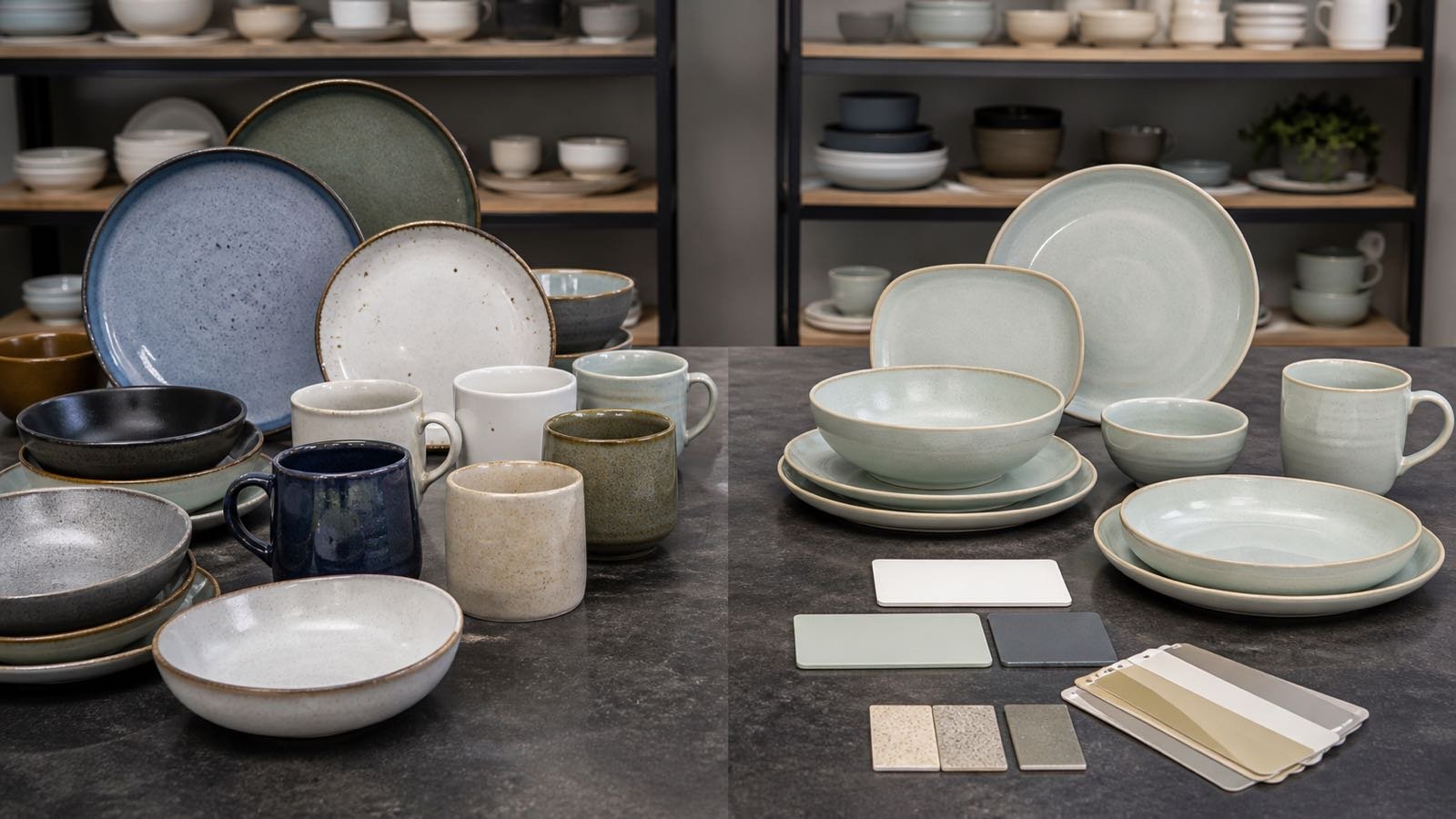
Choosing between stock ceramic tableware and made to order products affects timing, selection, order structure, customization, and inventory exposure. Neither route is automatically right for every importer. Ready stock can support faster selection and flexible range building, while made to order development can suit stable programs that require defined specifications. This comparison gives wholesale buyers a practical method for matching the sourcing route to the commercial purpose of each product line.
What the Two Sourcing Routes Mean
Stock purchasing starts with products already available for selection. Buyers review current item codes, quantities, specifications, packing, and preparation requirements, then build an order from those options. Made to order purchasing begins with an approved specification and production arrangement; the buyer may choose defined shapes, glazes, decoration, packing, and branding subject to feasibility and minimum quantities. The important distinction is not quality. Both routes require sample approval, specifications, inspection, and shipping planning.
The distinction is where the project begins: verified availability versus a production brief. Chengguo is positioned as a stock ceramic tableware supplier and does not present itself as a manufacturer.
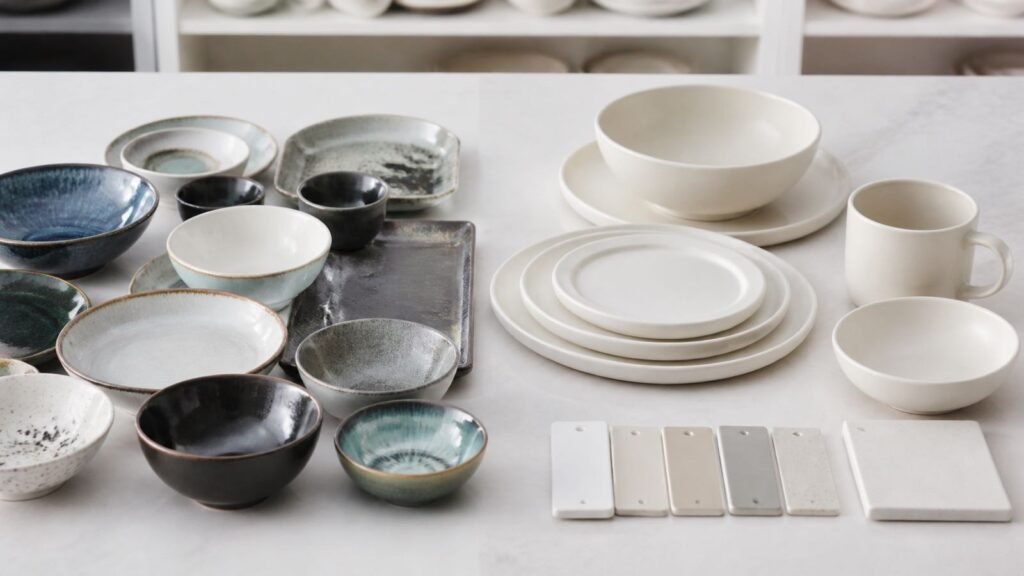
Compare Lead Time Selection and Order Flexibility
Ready stock usually removes the development and main production stages, but buyers must still allow time for confirmation, inspection, packing, consolidation, documentation, and freight booking. Made to order schedules include sampling, revisions, approvals, material and production planning, processing, packing, and inspection. Actual timing depends on the product and supplier confirmation, so avoid treating generic timelines as promises. Stock selection can provide access to mixed designs and product families, while exact quantities may be limited. Made to order programs can support continuity when forecasts are stable, but minimum quantities commonly apply by shape, glaze, or decoration.
Cost and Inventory Risk Are More Than Unit Price
Compare the total landed and operational cost, not just the quoted piece price. Normalize currency, trade term, named place, price unit, packing, payment terms, validity, carton data, and expected preparation date. Add inspection, inland movement, freight, duties, taxes, warehousing, financing, handling, and expected loss. Stock ceramic tableware may help buyers test a range or combine available products without funding a lengthy development process. Made to order purchasing may improve specification continuity at sufficient volume, but unsold customized inventory can be harder to redirect. Review our ready stock ceramic tableware when speed and range flexibility are priorities.

| Decision area | Buyer action | Record to keep |
| Product fit | Match items to customer and occasion | Range brief and item matrix |
| Quality | Approve representative samples | Specification and approval photos |
| Quantity | Convert cartons into selling units | Quantity plan and alternatives |
| Logistics | Compare packing and shipment inputs | Landed cost worksheet |
Use Samples and Specifications to Control Quality
A photograph and product name are not enough for approval. Request representative samples and record material, dimensions, weight, capacity, glaze and decoration, foot finish, stability, stack height, and packing. Review several pieces when color or reactive glaze variation is part of the design. Test products in conditions relevant to the customer: shelf display, food presentation, tray and rack fit, ordinary washing, and handling. Keep the approved sample and dated images as references. Agree on inspection scope and acceptable limits before shipment.
This process protects both urgent stock purchases and longer programs without confusing speed with reduced control.
Quality Branding and Specification Control
Quality control should be route-neutral. Approve representative samples; document dimensions, weight, capacity, glaze, decoration, foot finish, stability, packing, and acceptable variation; and agree on inspection criteria. Stock products require confirmation that the sampled item code matches the available goods. Made to order products require controlled approval through development and production. Custom logos, retail packaging, and exclusive decoration may favor made to order programs, although some stock projects can use secondary packing or labeling when technically and commercially feasible. Never assume a branding option until the supplier confirms method, quantity, cost, timing, and regulatory responsibility.
Calculate Landed Cost on a Comparable Basis
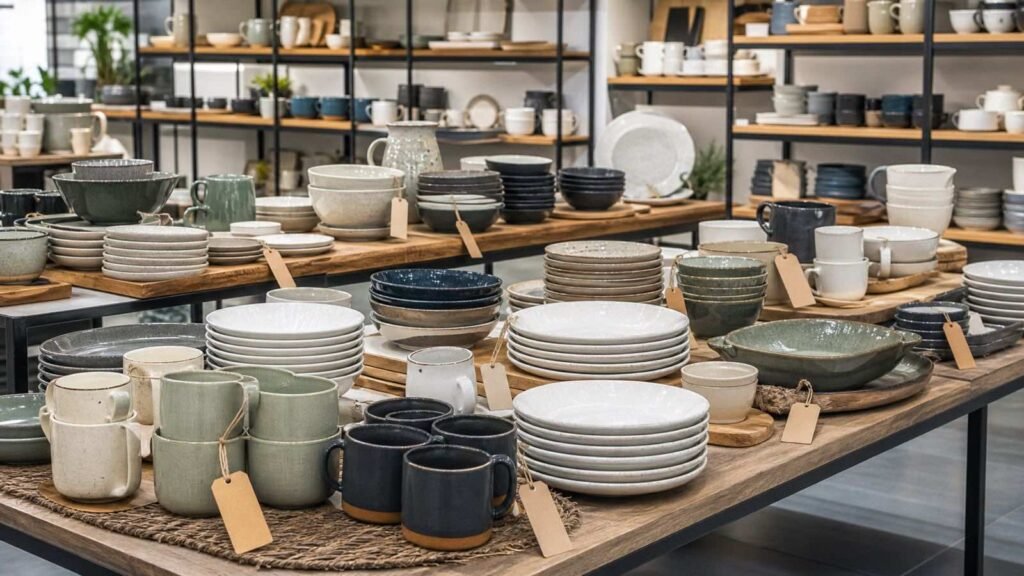
A useful buying decision compares like with like. Record the currency, trade term, named place, price unit, packing included, payment terms, quotation validity, available quantity, carton dimensions, gross weight, and expected preparation date. Then add inspection, inland transport where applicable, freight, insurance, duties, taxes, destination handling, warehousing, financing, and a reasonable allowance for loss. Divide total cost by the expected saleable units, not simply the ordered pieces. Scenario planning for freight and quantity changes helps the distributor understand which items remain commercially workable before committing cash and warehouse space.
Prepare Packing and Product Information Early
Packing is part of the product plan, not a final administrative detail. Confirm the inner pack, dividers, retail box where required, master carton quantity, carton dimensions, gross weight, shipping marks, barcodes, and language needs. Check how rims, handles, feet, and raised decoration contact adjacent pieces. A larger carton may reduce carton count but become difficult to lift, store, or pick. Product information should use the same item codes and measurements as the commercial documents. Provide accurate dimensions, capacities, material descriptions, set contents, care guidance, and variation notes. Consistent data reduces questions from sales teams and customers and prevents a visual range from becoming operationally confusing.
Use a Hybrid Buying Strategy
Many distributors can assign different sourcing routes by product role. Use available stock to test a new color, cover a short selling window, add serving pieces, or broaden a mixed collection. Use made to order arrangements for forecastable core lines that need stable specifications or custom identity. Keep separate item codes and cost sheets, because visually similar items may have different packing and continuity. Define substitutes for stock products and reorder points for continuing programs. To discuss a current order, contact Chengguo with your target market, item list, quantities, packing requirements, and required shipping window.
Create an Approval Record and Alternative Plan
Use one controlled order sheet rather than decisions scattered across messages. List the approved item code, photograph, specification, quantity, unit, packing, price basis, availability date, and responsible approver. Mark unresolved points and do not treat silence as approval. For each commercially important item, define whether substitution is allowed and what an acceptable alternative must preserve. Material, function, dimensions, capacity, color family, finish, quality expectation, price position, and packing compatibility may all matter. When availability changes, evaluate the alternative against the written rule and the overall range, then update every affected sales and logistics record. This disciplined process supports flexibility without losing assortment coherence.
Turn the Range into a Clear Sales Tool
A wholesale range is easier to sell when commercial information is organized before launch. Prepare a concise line sheet with one consistent photograph, item code, material, dimensions, capacity where relevant, color and finish description, packing quantity, order unit, current availability note, and price basis for every product. Group items by eating occasion or coordinated family instead of presenting an undifferentiated file of images. Explain which pieces are core items and which are optional accents. Sales teams should know the approved variation, the valid alternative, and the date on which availability was checked. For digital catalogs, use honest color, show scale, and state whether products are sold individually, by set, by inner pack, or by carton. Collect questions from buyers because repeated uncertainty often reveals missing specifications or a weak assortment decision. After launch, record quotations, sample requests, orders, reasons for rejection, returns, and product feedback. These observations are more useful than general assumptions when deciding whether to deepen, adjust, or retire a line. Review the range on a defined schedule, but allow an immediate review if availability, freight, quality findings, or customer requirements change materially.
Conclusion
Stock ceramic tableware is most effective when selection, quality approval, quantities, packing, and logistics are planned together. Give every item a clear commercial role, compare quotations on the same basis, and confirm current availability before commitment. Keep written specifications and realistic alternatives so faster sourcing does not create avoidable risk. Browse our ceramic tableware buying resources or contact our wholesale team to discuss a current wholesale requirement.
FAQ
No sourcing route determines quality by itself. Buyers should approve representative samples, define specifications and acceptable variation, confirm packing, and arrange appropriate inspection for either route. With stock goods, verify that the approved item code and sample correspond to the available products. With made to order goods, maintain approval control through development and production rather than assuming customization guarantees performance.
It can suit a stable, forecastable program that needs consistent specifications, custom decoration, branded packaging, or a defined product identity and can support the relevant minimum quantities and development schedule. Buyers should include sampling, revisions, approvals, production planning, inspection, and freight in the timetable, then compare the full landed and inventory cost with available stock alternatives.
Yes. A hybrid plan can use stock products for range tests, seasonal additions, mixed designs, or faster opportunities while reserving made to order programs for proven core lines. Manage the routes with separate specifications, item codes, cost sheets, availability assumptions, and reorder rules. The combination works best when every product has a clear commercial role and approved substitute strategy.