

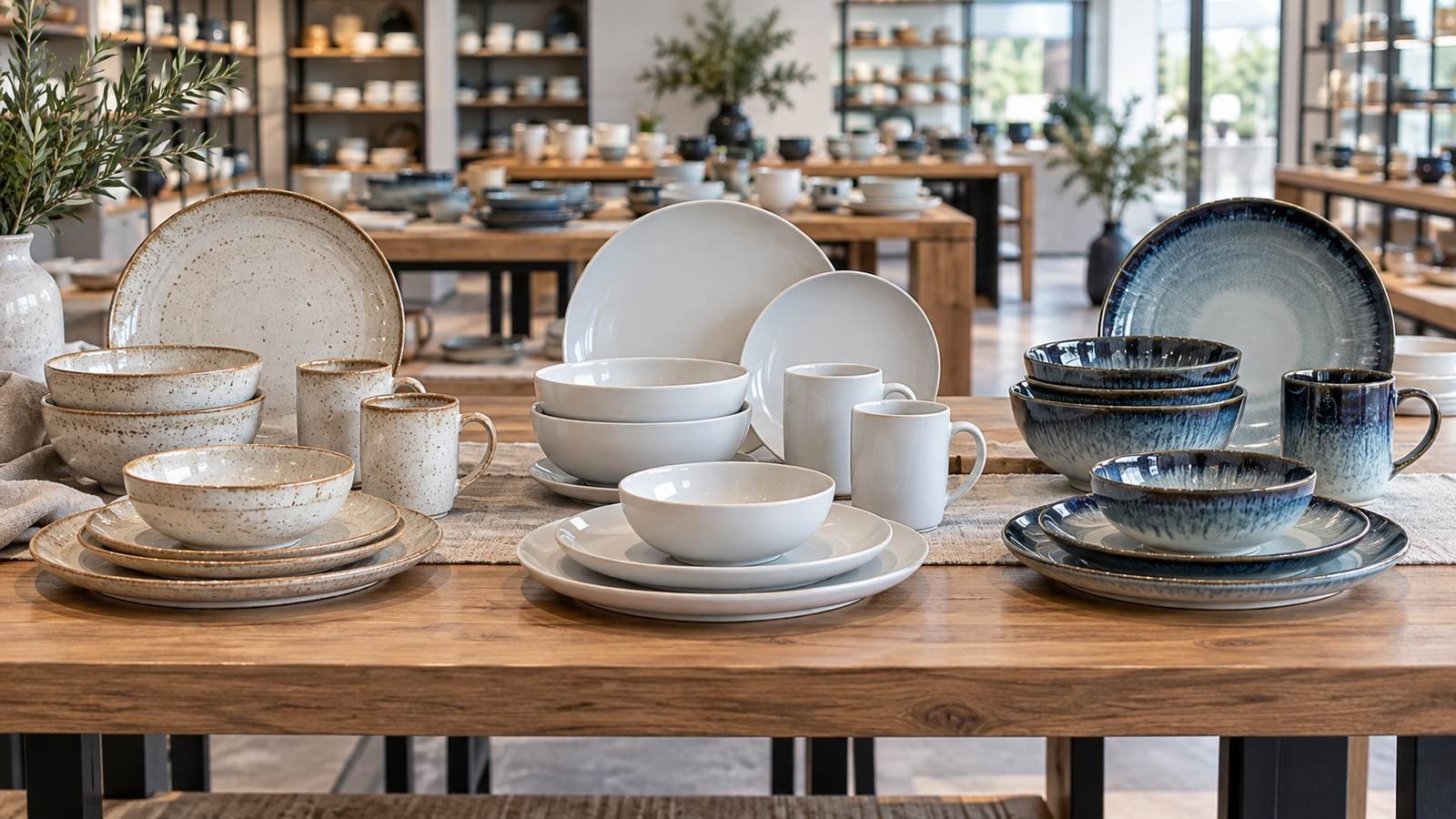
An unavailable design does not have to end a purchasing plan, but a similar photograph is not enough to approve a replacement. Ceramic tableware alternatives need to preserve the functions and customer expectations that matter for the order. This guide helps wholesale buyers define those priorities, compare exact references, evaluate samples, and record a substitution without confusing the original product with the newly accepted design.
Define What the Original Ceramic Tableware Item Must Do
Start with the role of the unavailable item in your assortment. It may be a standalone retail plate, a component of a coordinated set, or a bowl selected for a particular serving portion. Identify the customer requirement before searching for another design. The same visual difference can be acceptable for one channel and unacceptable for another.
For ceramic tableware, separate essential attributes from preferences. Essential attributes could include the usable serving area, overall dimensions that fit storage, or the required component count in a set. Preferences could include a decorative border or a particular shade, provided the customer has agreed that those features can vary. Do not decide which details are optional without checking the actual purchasing brief.
Ask whether the replacement is intended for a new order or needs to match goods already held by the customer. A new assortment may allow a broader design change. A replacement beside an existing plate or cup needs closer comparison. Browse available ceramic tableware designs only after the limits of the substitution are clear.

Create a short original-item record containing the supplier code, approved photograph, dimensions, material description, packing, and intended use. The supplier can then propose alternatives against a shared reference. A general instruction to send something similar leaves too much room for interpretation and makes approval harder to explain to your sales team.
For ceramic tableware substitution, identify the decision maker. A distributor may need customer approval before purchasing an alternative, especially when the item belongs to a matched family. Record who can accept the change and which information they need so the process does not stall after a new quotation has already been prepared.
Compare Function Dimensions and Components before Appearance
Evaluate the proposed item against the original brief in a consistent order. First compare intended use and the dimensions that affect it. Then review component relationships, material information, and care statements. Appearance remains important, but a color match cannot compensate for a plate that does not hold the required portion or a cup that does not fit the accepted saucer.
For ceramic tableware bowls, request both overall dimensions and the basis of any stated capacity. An alternative with the same rim diameter may have a different depth or working fill. For plates, compare the usable central area as well as the outer size. For cups, include the full width with the handle and the base dimensions relevant to the saucer.
Review the ceramic bowl options with those measurements in mind. If two bowls are proposed as alternatives, ask for the exact codes and dimensioned information for each. Do not assume that similar catalog names describe interchangeable products. Any actual product performance statement should be supported by the supplier’s product-specific information.
Build a comparison that exposes meaningful changes
Use the original item as a reference rather than an automatic standard for every detail:
| Attribute | Original record | Alternative review |
| Function | Intended food or service role | Does the new item support that role? |
| Dimensions | Confirmed size and usable area | Which measurements change? |
| Components | Accepted cup, saucer, or set parts | Is a new component required? |
| Appearance | Approved photograph and color reference | What will the customer notice? |
| Packing | Confirmed units and arrangement | Does the order arithmetic change? |
For ceramic tableware, make the difference explicit even when you consider it acceptable. A slightly different rim profile may improve one presentation while changing how pieces stack. Record the tradeoff and let the authorized buyer decide. Describing an alternative as identical creates an expectation that the available evidence may not support.
Check whether a change affects related products in the order. A cup substitution might require a different saucer reference. A plate color change could affect a coordinated bowl. If the accepted alternative creates another unresolved item, keep the complete family under review instead of approving one component in isolation.
For ceramic tableware substitution, document the information that is still missing. A supplier may have confirmed the photograph but not the proposed quantity or packing. Keep that offer as a candidate until the unresolved points are answered. This approach allows purchasing to move forward without turning preliminary information into an approved order.
Review Samples and Obtain Customer Approval for the Difference
Request a sample of the exact candidate when the substitution affects presentation, fit, or handling. Label it with the new supplier code and compare it with the original approved reference where available. For ceramic tableware, the purpose is to examine the attributes identified in the purchasing brief, not to search for a universal replacement that suits every customer.
Use representative portions or components in the review. Place the intended food portion on an alternative plate, assess the required fill in a bowl, or compare a cup with its proposed saucer. Follow supplied care information during any practical review. A handling exercise should not be presented as evidence for an appliance-use or performance claim that it does not establish.
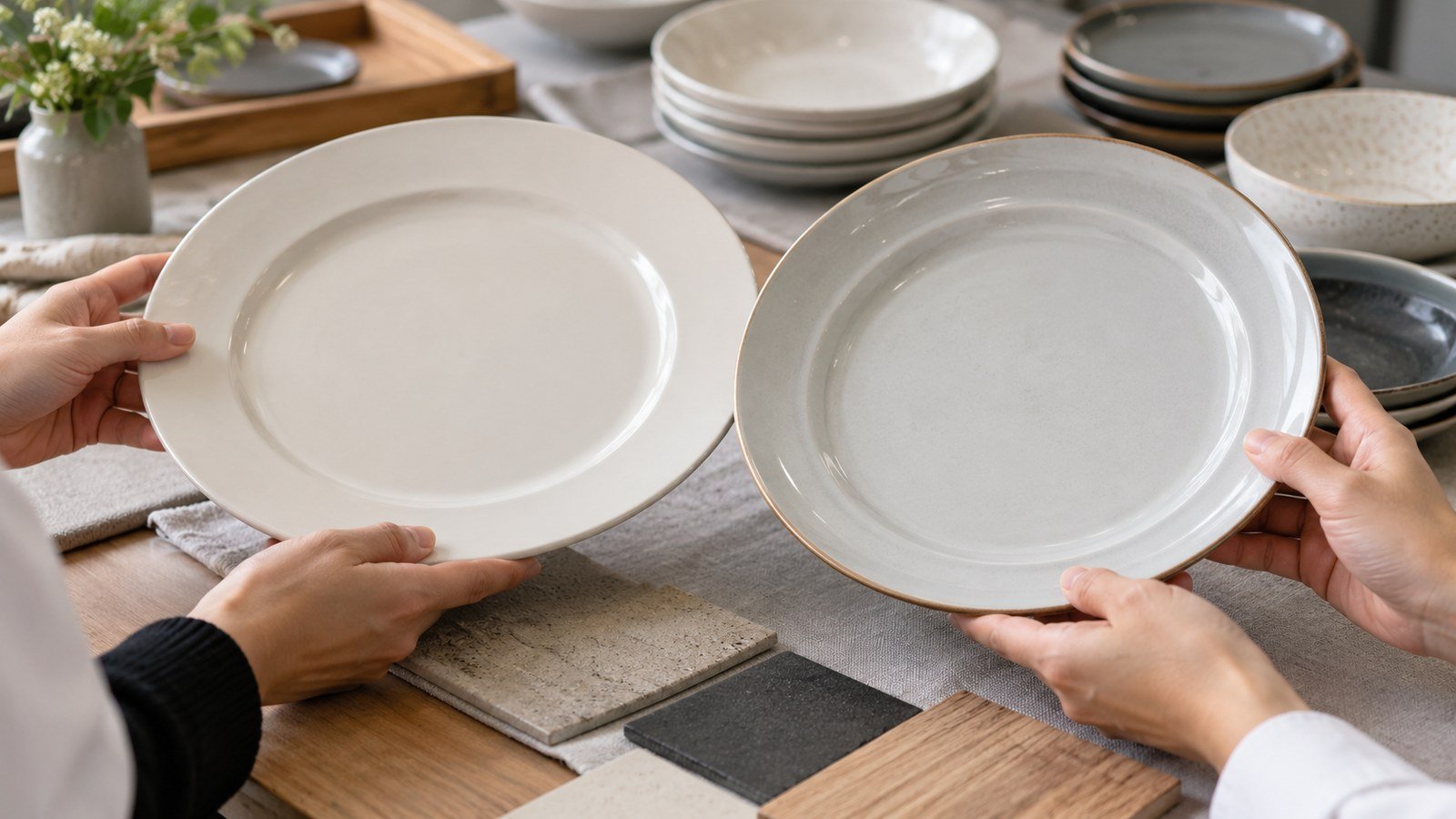
Photograph the original reference and the candidate under comparable lighting and viewing angles. Record the differences in ordinary descriptive language. For ceramic tableware, a neutral comparison helps customer-facing staff explain the change without exaggerating similarity or making a subjective quality claim that the buyer has not evaluated.
Consider a hypothetical order requiring a plate to fit a 26-centimeter storage opening. If the original plate measures 25 centimeters and the alternative measures 27 centimeters, the new design does not meet that constraint even if its decoration is appealing. These measurements illustrate a decision method, not Chengguo product dimensions. Replace them with the confirmed customer limit and actual sample measurements.
Send the decision maker a concise approval package: the original reference, candidate code, key dimensions, photographs, packing, quantity, and price. Identify the changed attributes and any remaining conditions. Ceramic tableware substitution approval should say which item is accepted and for which order, rather than give the supplier open permission to select future replacements.
Keep sample approval separate from availability confirmation. The candidate may be suitable but still need an updated quantity check before purchasing. Ask the supplier whether the offered amount remains available and what action secures it. When approval takes time, reconfirm the current offer rather than relying on an earlier message.
If the alternative is rejected, explain the specific reason and retain the original requirements. A supplier can propose a better candidate when the feedback says the usable area is too small or the base does not fit. For ceramic tableware, precise rejection feedback is more useful than simply requesting a design that looks better.
Update the Order Record and Receiving References
An accepted substitution becomes a new purchasing reference. Replace the original item row with the approved candidate code and attach its accepted information. For ceramic tableware, update quantity, price, packing, reservation conditions, and preparation milestones wherever the change affects the order. Do not leave the original photograph as the main reference after approving another design.
Reconcile the carton arithmetic before final approval. Suppose an illustrative order originally used 24 pieces per carton and the accepted alternative uses 18. A request for 216 pieces would require 12 cartons under the new arrangement instead of nine. These are hypothetical pack counts. Confirm the actual specification and ask the supplier to revise the carton count and relevant logistics information.

For ceramic tableware, ensure sales and receiving teams have the same current version as purchasing. A buyer who approved a new rim shape should not later receive a sales sheet showing the old design. A receiving team should be able to connect the delivered product with the approved substitute without reconstructing the negotiation history.
Keep the original reference in a clearly marked historical record. It may still be useful for explaining why a change was made or for a future availability inquiry. The current order, however, should identify one accepted item for each row. This keeps the records traceable while preventing an earlier code from being used accidentally.
Finally, review what the substitution means for future supply. An accepted alternative solves the current requirement; it does not establish unlimited continuity or automatic interchangeability with later offers. For ceramic tableware, retain the approved candidate’s measurements and photographs so the next inquiry can be evaluated against the correct product.
Conclusion
A ceramic tableware substitution should preserve the confirmed functions and constraints of the purchasing brief. Compare exact dimensions and components, make visual differences explicit, and obtain approval for the specific candidate. Update the whole order record before payment or packing proceeds. Contact Chengguo with your original reference and acceptable changes to discuss current ready stock alternatives.
FAQ
Identify the original item’s essential functions, dimensions, and component relationships first. Ask the supplier for exact alternative codes, photographs, packing, and current quantities. Compare those details with your brief and use samples where fit or presentation matters. For ceramic tableware, approve a specific candidate for the order rather than giving general permission to provide something similar, and record the changes in the final purchasing document.
No. Bowls with the same rim diameter can differ in depth, profile, base, and usable capacity. Ask how capacity is measured and evaluate the actual portion or component relationship needed by the customer. For ceramic tableware, retain the full relevant dimensions and sample observations. A shared size label is useful for a shortlist but does not establish that the products meet the same purchasing requirements.
Update the supplier code, approved photograph, dimensions, quantity, price, packing, and any affected reservation or preparation conditions. Reconcile the revised carton count and share one current order version with sales, logistics, and receiving staff. Ceramic tableware alternatives should have their own identifiable records so an accepted change does not remain only in a message or become confused with the unavailable original product.